

General Description
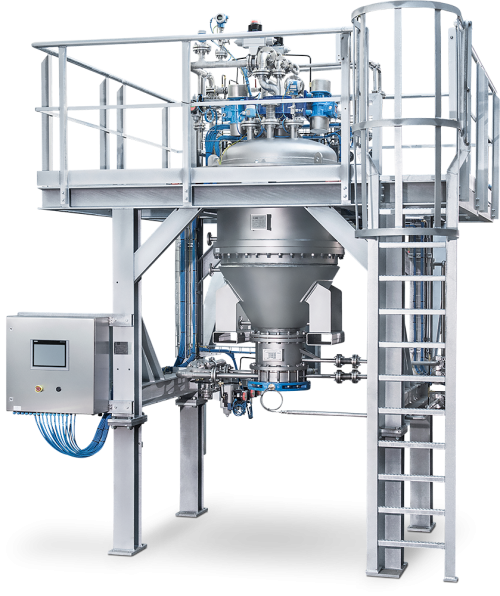
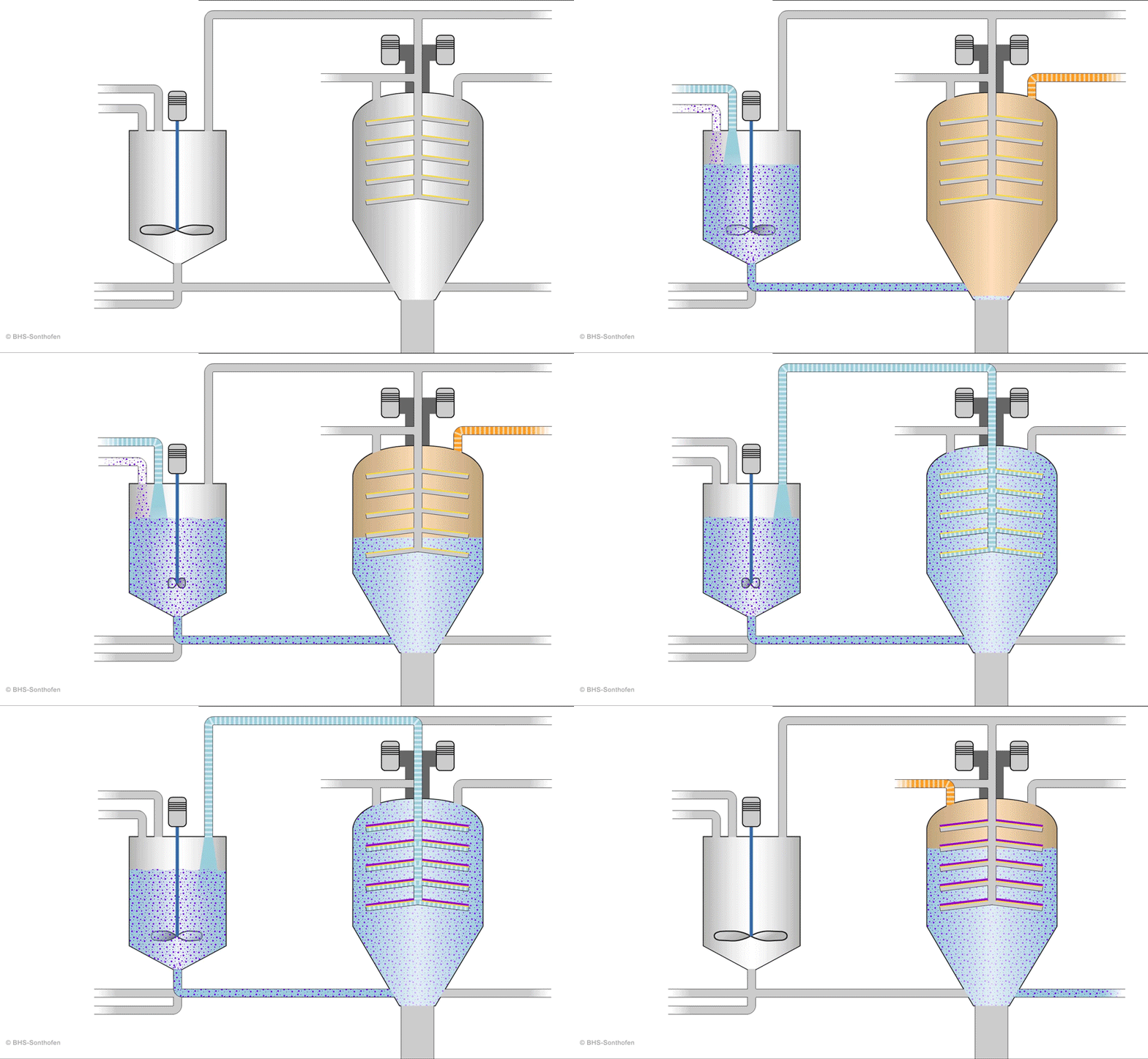
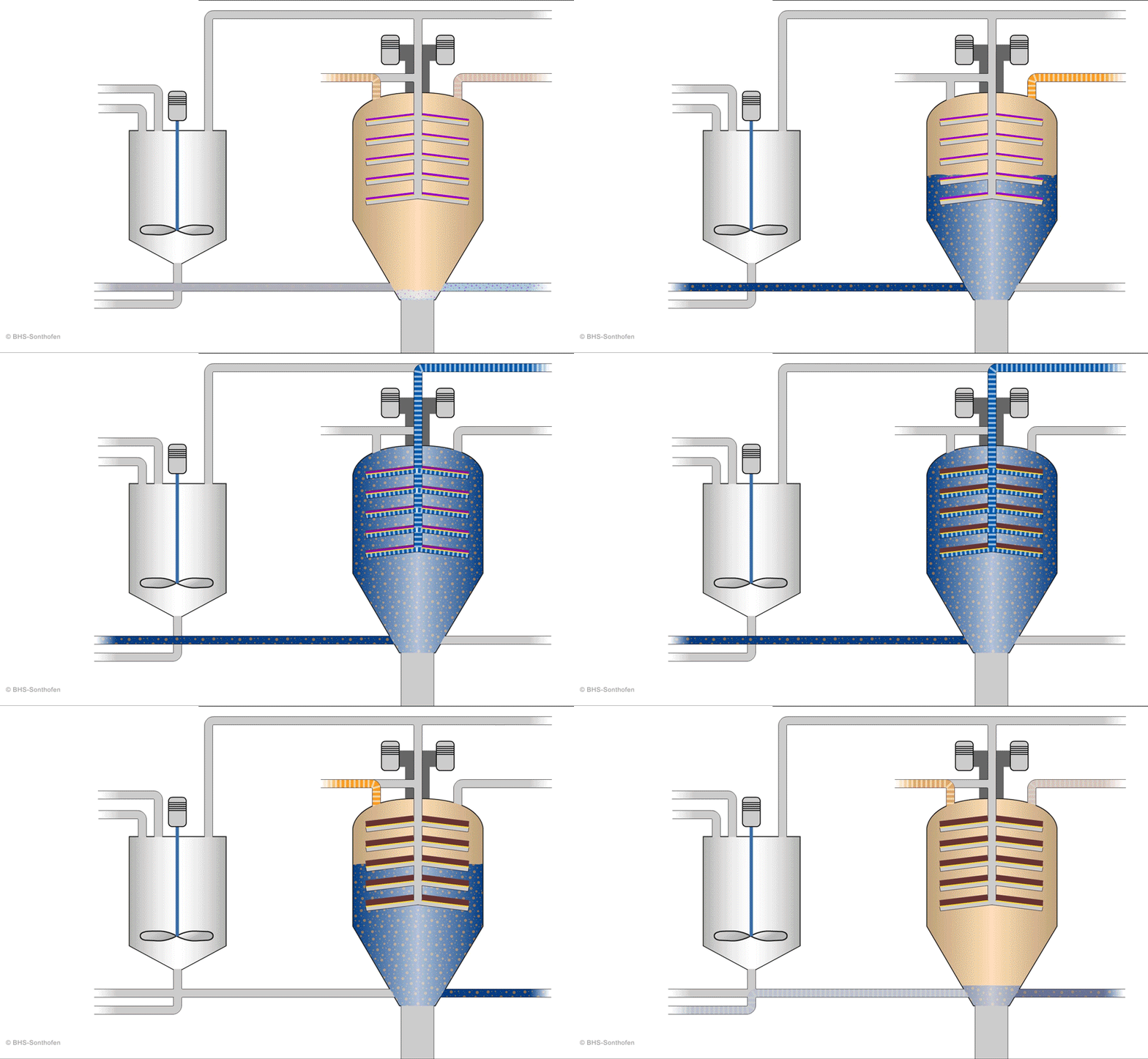
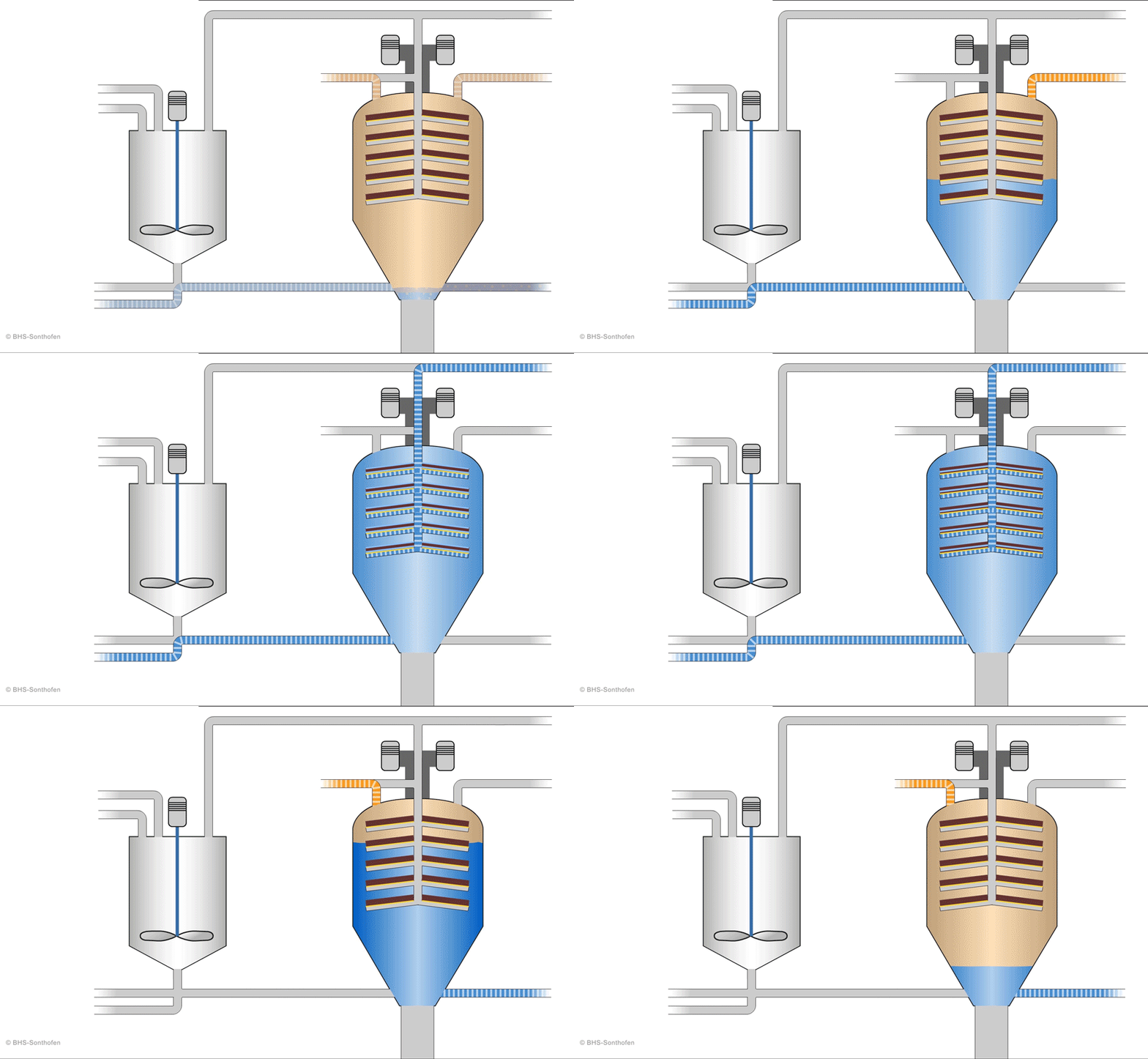
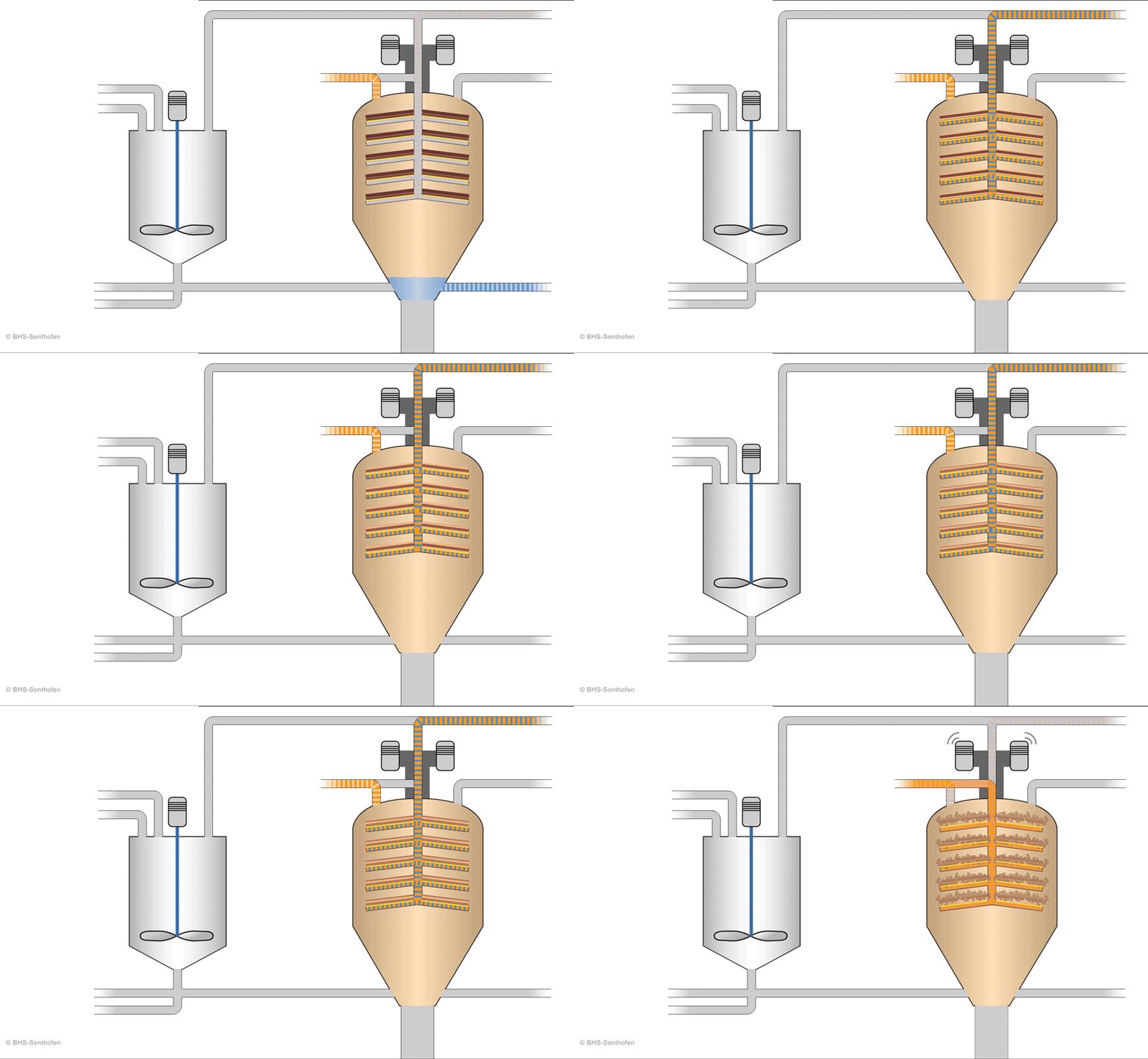
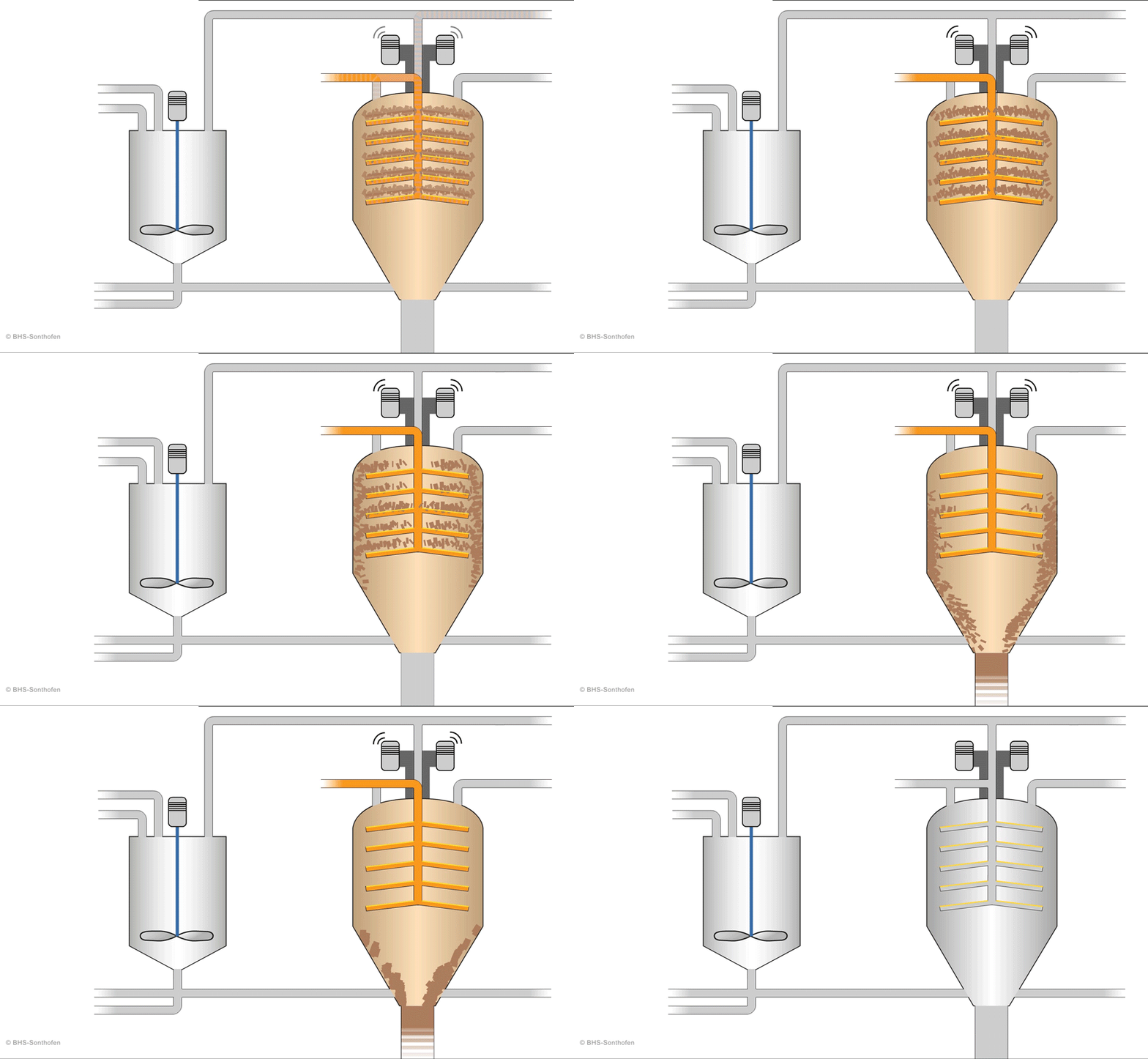
The BHS Pressure Plate Filter provides for thin-cake batch filtration, cake washing, drying, reslurry and automatic cake discharge as well as heel filtration in a pressure vessel. Cake can be discharged as dry cake, wet cake or a concentrated slurry. Units are available from 0.35 m² to full production models. Pressure Plate Filters are installed for clarification and recovery applications from liquids with low solids content ranging from 5% to PPM levels.
The BHS filter plates are sloped, formed into a plate-stack and designed for high liquid flow and low pressure drop. The sealed plate-stack eliminates bypass of solids or liquids. For cake discharge, two motors, typically 1 HP or less, gently vibrate the plate stack causing the solids to move along the plates to the vessel wall and out of the bottom. Gas-assist for cake discharge is also possible. The BHS design eliminates rotating plates, gear boxes and mechanical seals for a low maintenance operation.
Materials of construction are stainless steels and alloys. The filter media is a synthetic polymer or metal with a clean removal efficiency to 0.5 microns. As the cake builds up, removal efficiencies improve to less than 0.5 microns. Filter aid and activated carbon can also be used.
Animation
BHS Pressure Plate Filters

PILOT FILTER
PF04
-
 Active Filter Area: 0.69m²
 -
Dimensions (LxWxH): 3ft x 3ft x 5.5ft
-
Maximum Operating Pressure: 6 barg (87psi)
-
Material of Construction: Stainless Steel
Download Data Sheet
Articles
“Reprint from “Pharmaceutical Engineering” , Jan/Feb 2007, The Official Magazine of the ISPE, International Society of Pharmaceutical Engineers.
Thin-Cake Filtration Technologies for Removing Activated Carbon, Catalysts and Other Trace Solids From Active Pharmaceutical Ingredient (API) Slurries
Relationship of Filter Aid and Filter Media with Clarification Technologies for Fines Removal 2018
New Approaches for Removing Catalyst Fines From Chemical and Pharmaceutical Slurries
Removing salts and contaminants in glycol regeneration
Framework for Selecting Solid-Liquid Filtration Technologies for Particle Fines Removal
Combination Concentrating Candle Filters and Pressure Plate Filters for Removing Divalent Salts and Contaminants from Monoethylene Glycol Reclamation Units
Combination Concentrating Candle Filter and Pressure Plate Filter Skid System
Framework for selecting thin-cake candle filter technology for removing solid contaminant fines from recirculating gas scrubbing fluids
Framework For Thin-Cake Candle Filter Technology For Removing Solid Contaminant Fines From Gas Scrubbing Liquids
Selecting Thin-Cake Candle Filter Technology For Removing Catalyst Fines
Quick Help
Applications
- Specialty Chemicals
- Catalyst Recovery
- Activated Carbon Removal
- Amine & Glycol Filtration
- Petrochemical
- Pharmaceutical
- Process & Waste Water
Special Designs
- Slurry concentrating design
- Dry cake discharge
- GMP
- Explosion Proof
- Modular design
- Turnkey packages
- Pulse drying
- Flexible alloy materials of construction
- Ground and polished surfaces
- Heel filtration device
- Scavenger Plate design
- Clean in place (CIP)
- Cake washing
- Precoat and body feed systems
- Metal filter media
- Jacketed vessel