
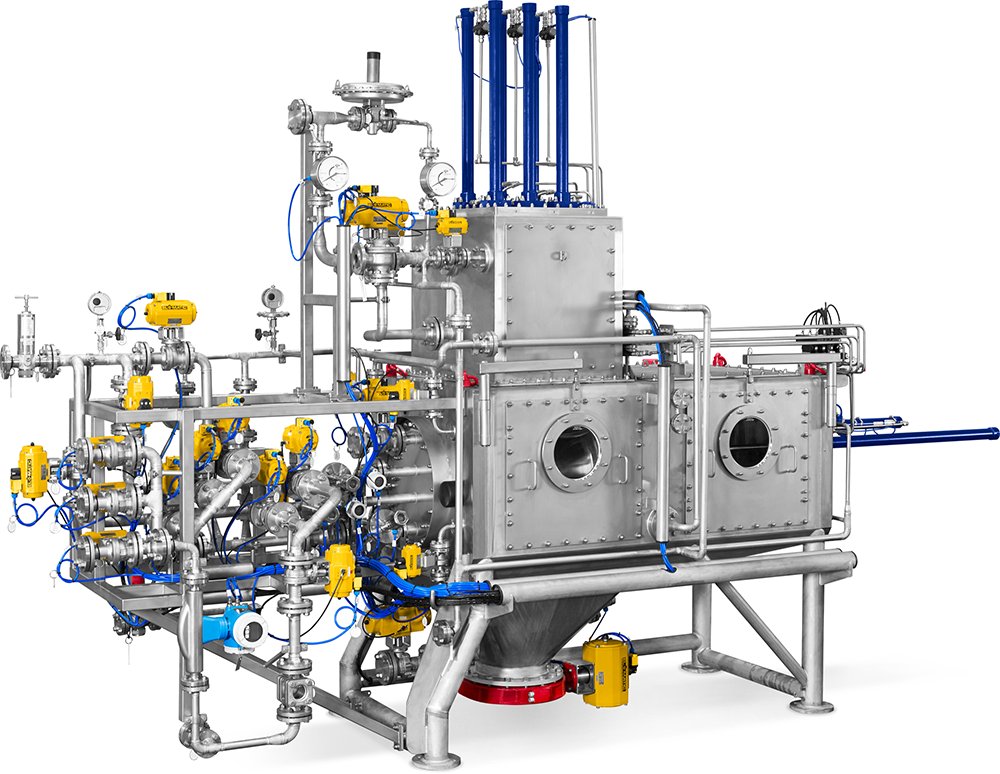
General Description
The BHS-Autopress can be used for separating moderate to poor fil-tering suspensions efficiently. Media that need to be treated in closed machines for reasons of sterility, toxicity and workplace hygiene are se-parated safely and reliably.
If required, you may also treat the cake by washing, extraction, pressing blow-out and drying. Low cake thick-ness, complete filtration without heel volume and an ex-ceptionally low level of residual moisture in the pre-dried cake ensure extremely high throughput rates.
The highly efficient cake washing process occurring in the BHS-Auto-press produces an absolutely pure product without inter-mixing. The encapsulated version (for pharmaceutical products and in GMP design) can also be used for filtering toxic or volatile media.
| Criteria |
Download PDF Brochure  |
|
The BHS Autopress is made up of the following principal compo-nents:
- horizontal stack of filter plates
- movable filtration housing
- scraper
|
 |
|
Technical Description
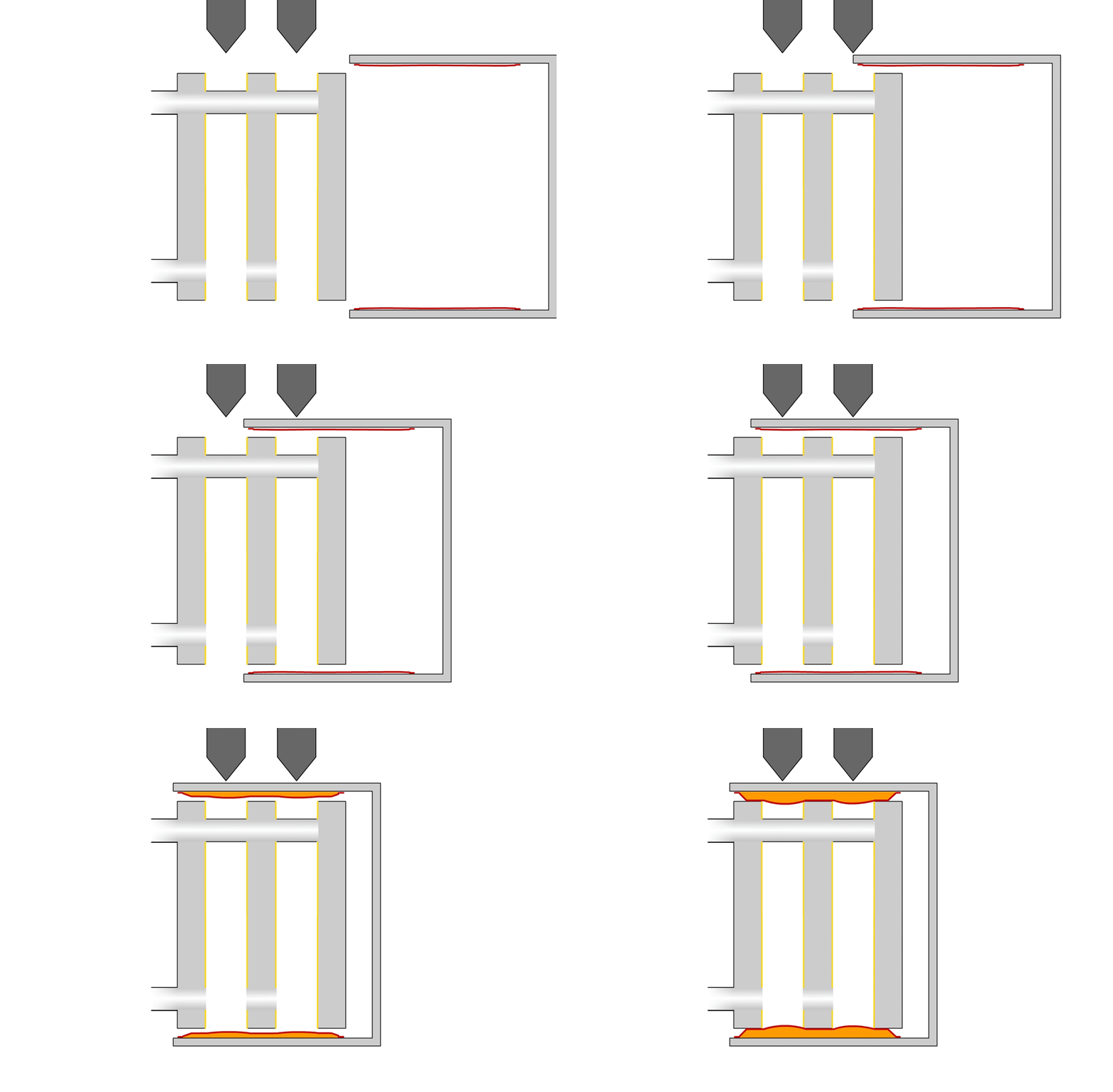
The horizontal stack of filters consists of a headpiece and a foot, the filter plates and the flexible spacers.
The filter plates, spacers and foot are provided with bores for the plate anchors, suspension inlet, filtrate and plate stack venting. The filter plates are configured in such a way that the filtrate is able to pass from opposing plate sides through the two plate channels.
Flexible spacers separate the suspension chamber from the filtrate chamber. These permit mechanical expression of the plate stack and, in turn, of the filter cake.
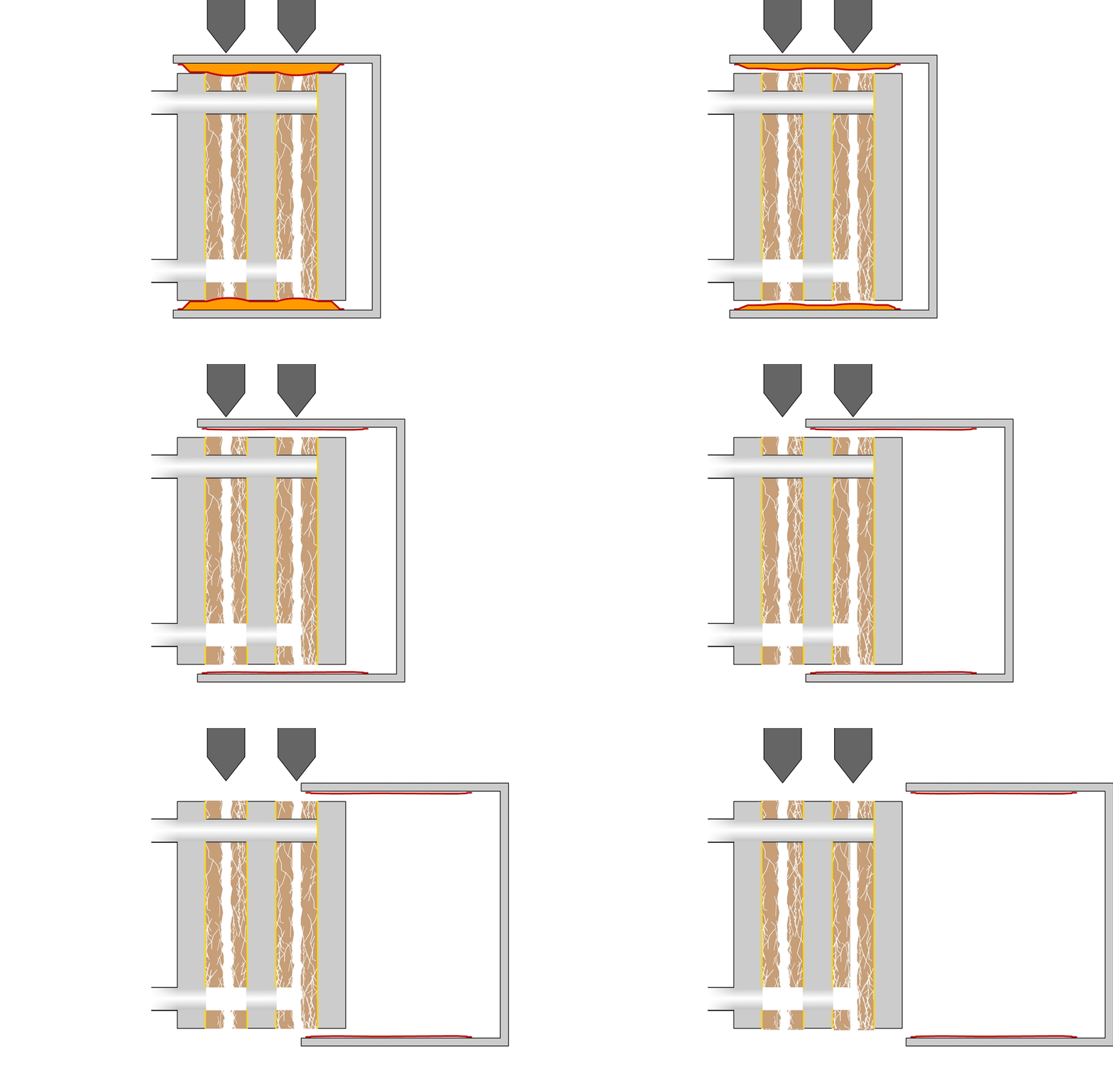
The filtration housing forms a pressure-tight enclosure around the plate stack. It is relocatably mounted on two anchoring rods, making it movable. In the closed position, the filtration housing is located over the plate stack. The annular gap between housing and plate stack is sealed off by a membrane.
The stack is sealed off from the outside at the headpiece and at the foot. The plate stack can be exposed by moving the housing. The product chamber is enclosed by a housing which may, depending on requirements, be configured on splashproof, vapour or pressure-tight design. The capability of CIP cleaning is also given by installing spray lances and spherical head nozzles.
Filtration
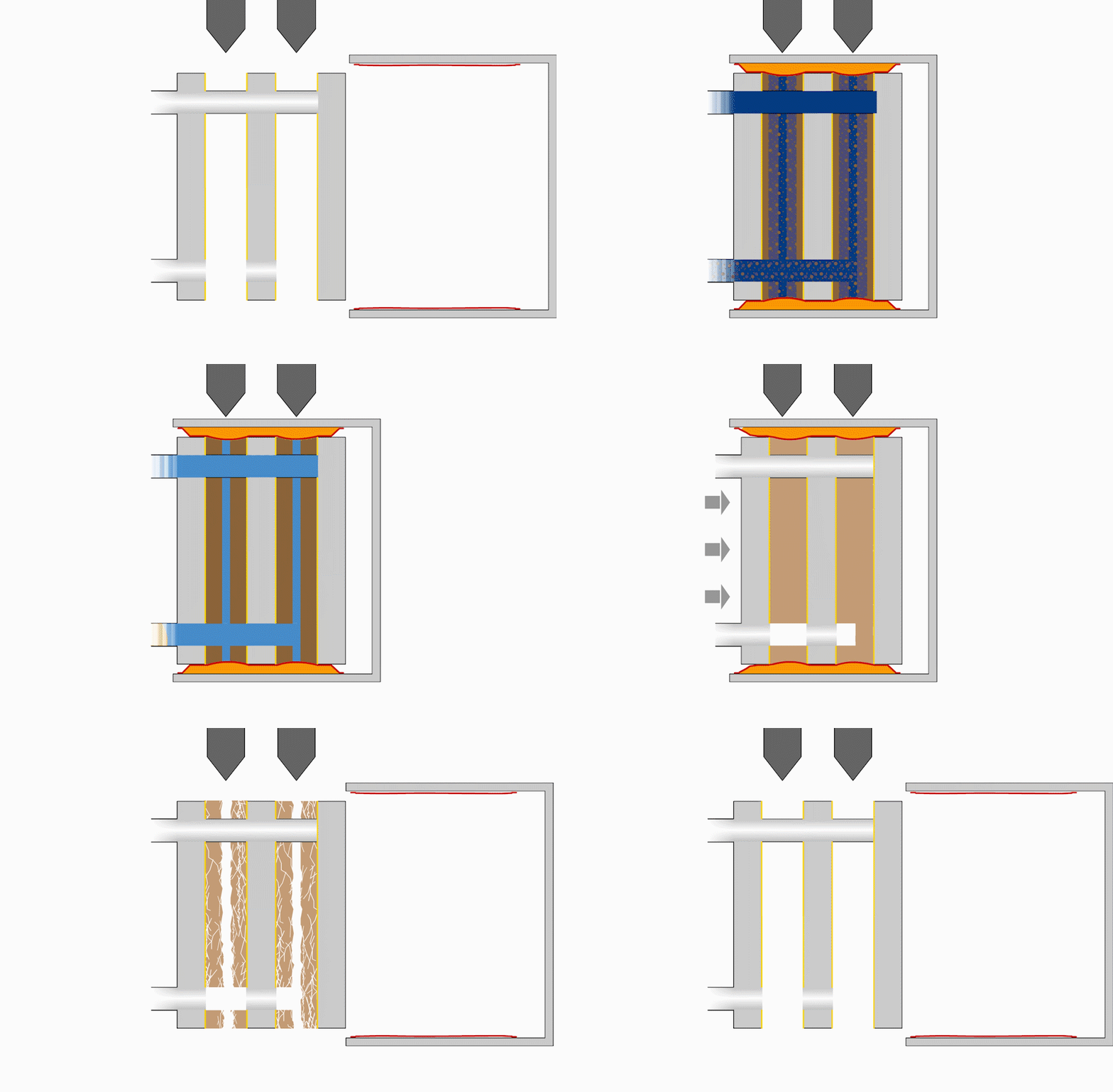
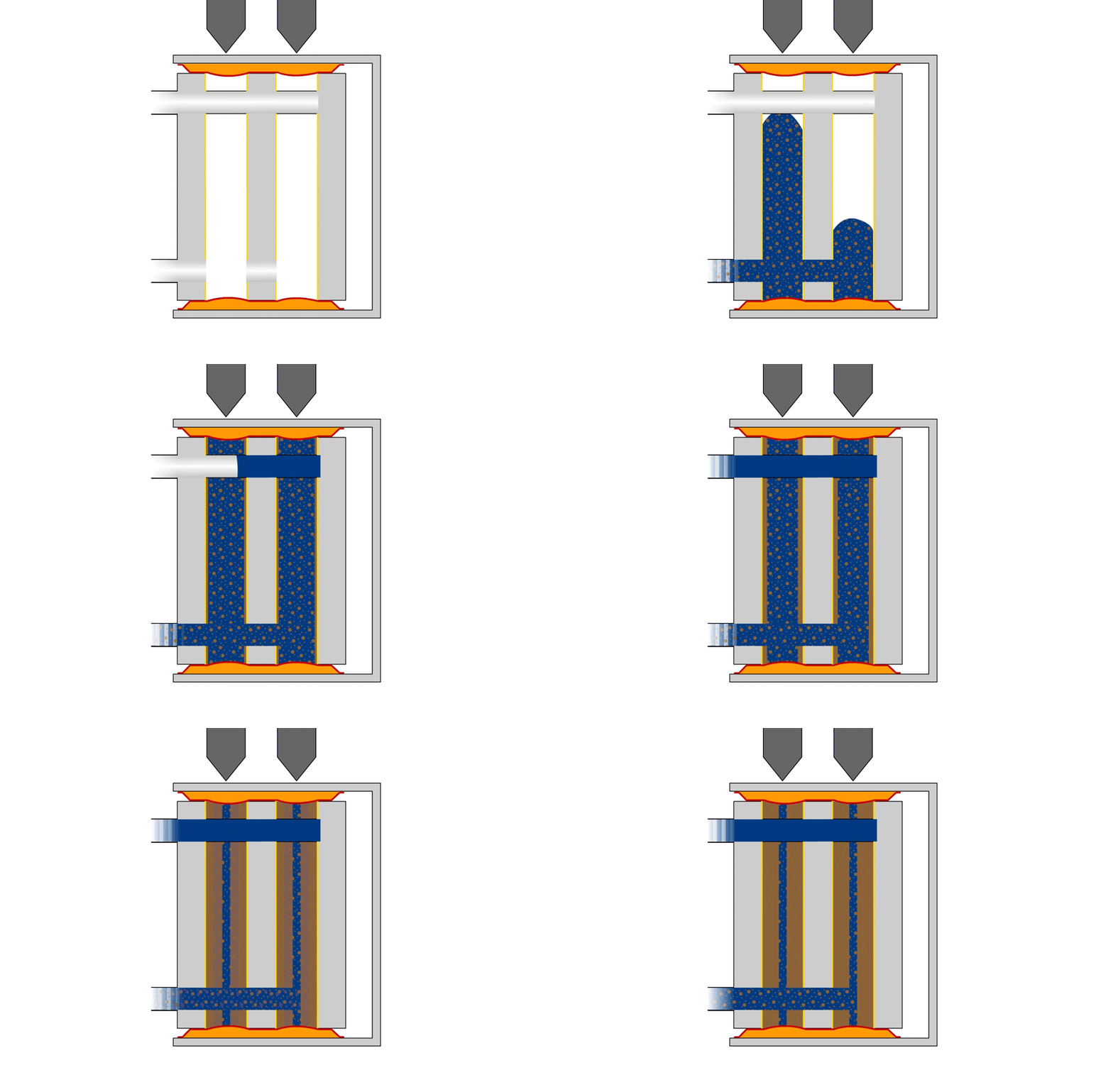
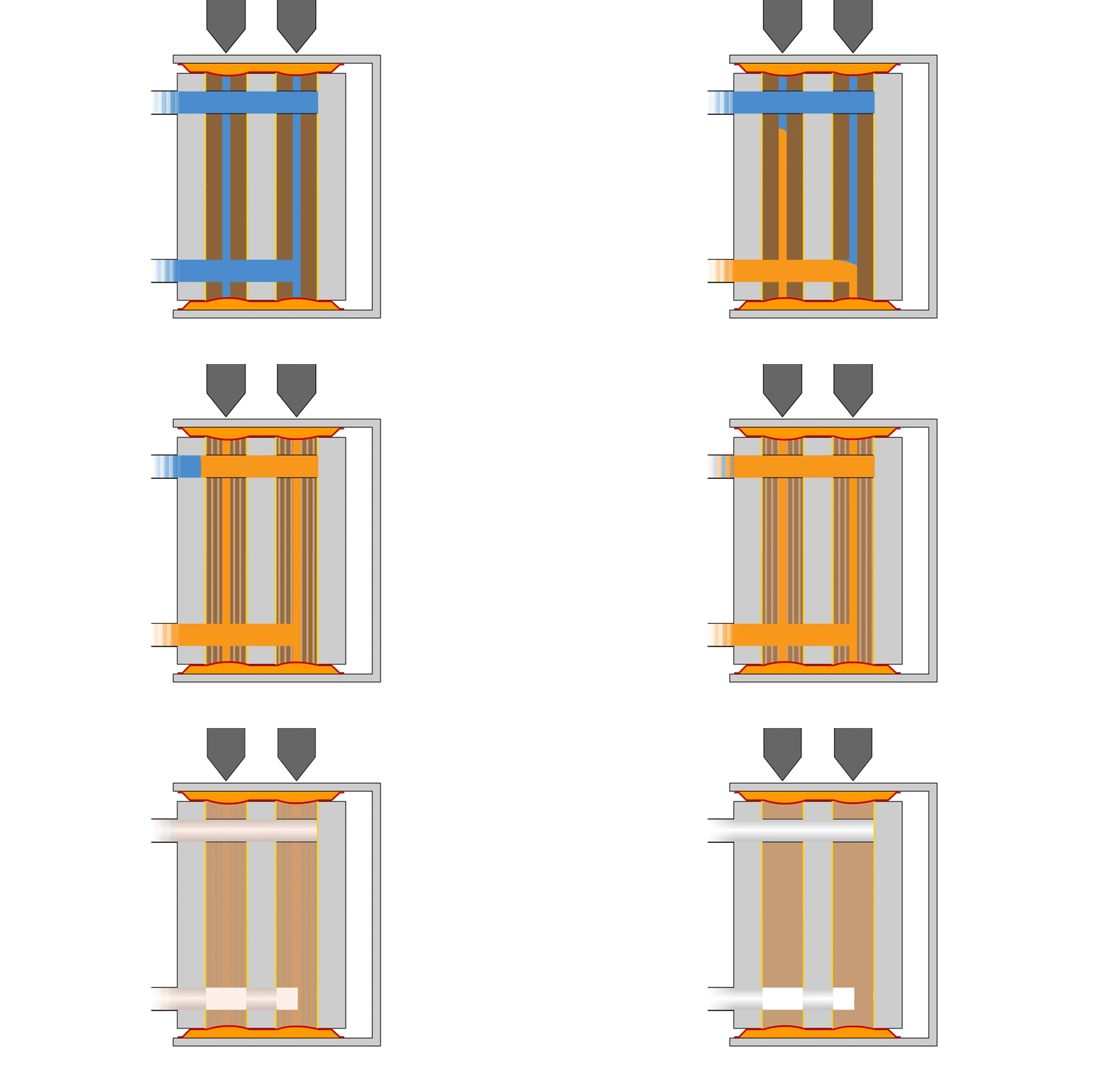
The suspension is pumped into the gaps between the plates. Filtration takes place as a result of the pressure difference prevailing on both outer sides of the filter plates. Filter cake builds on both plates and grows towards each other, completely filling the gap.
Filter cake washing
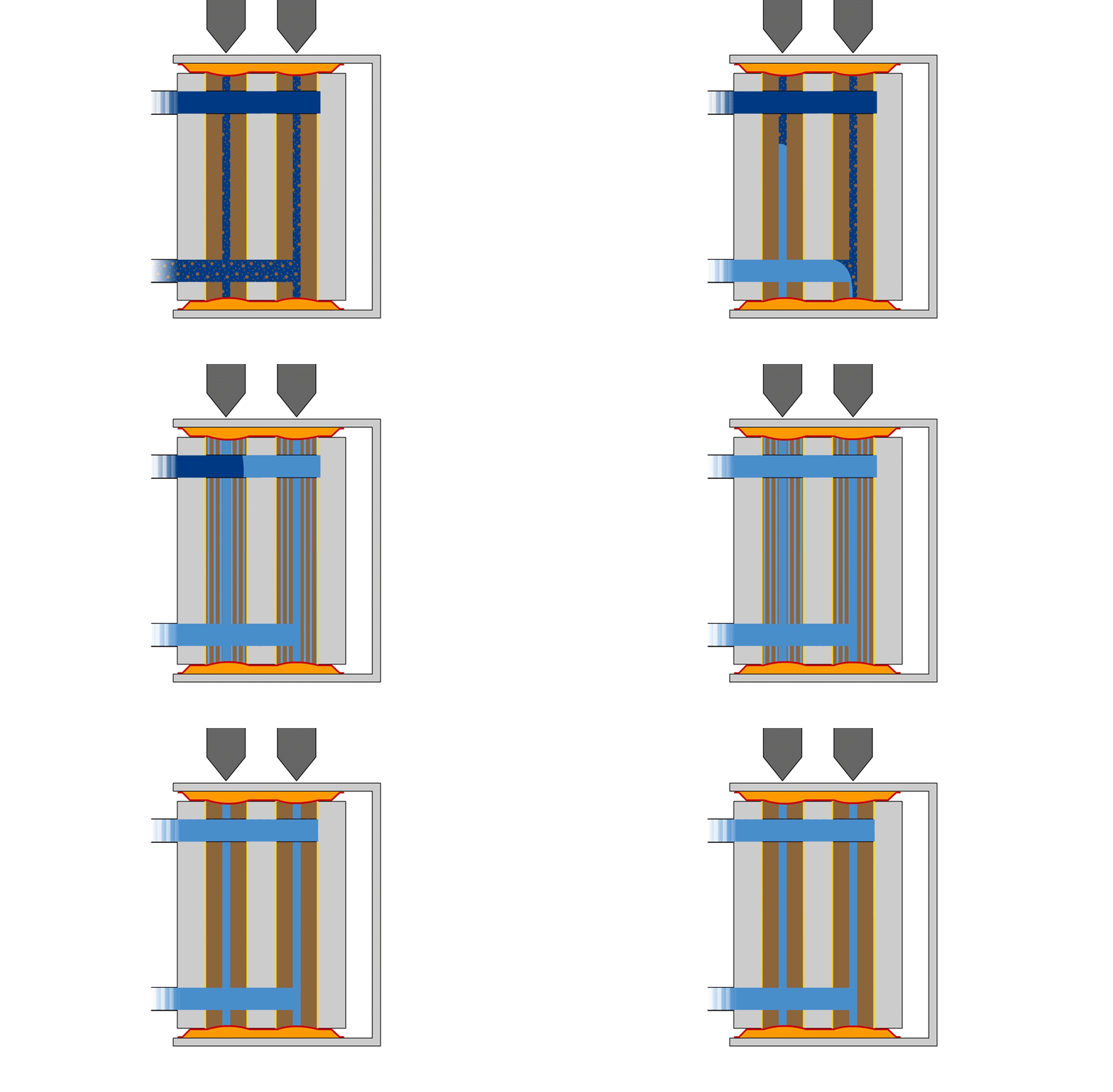
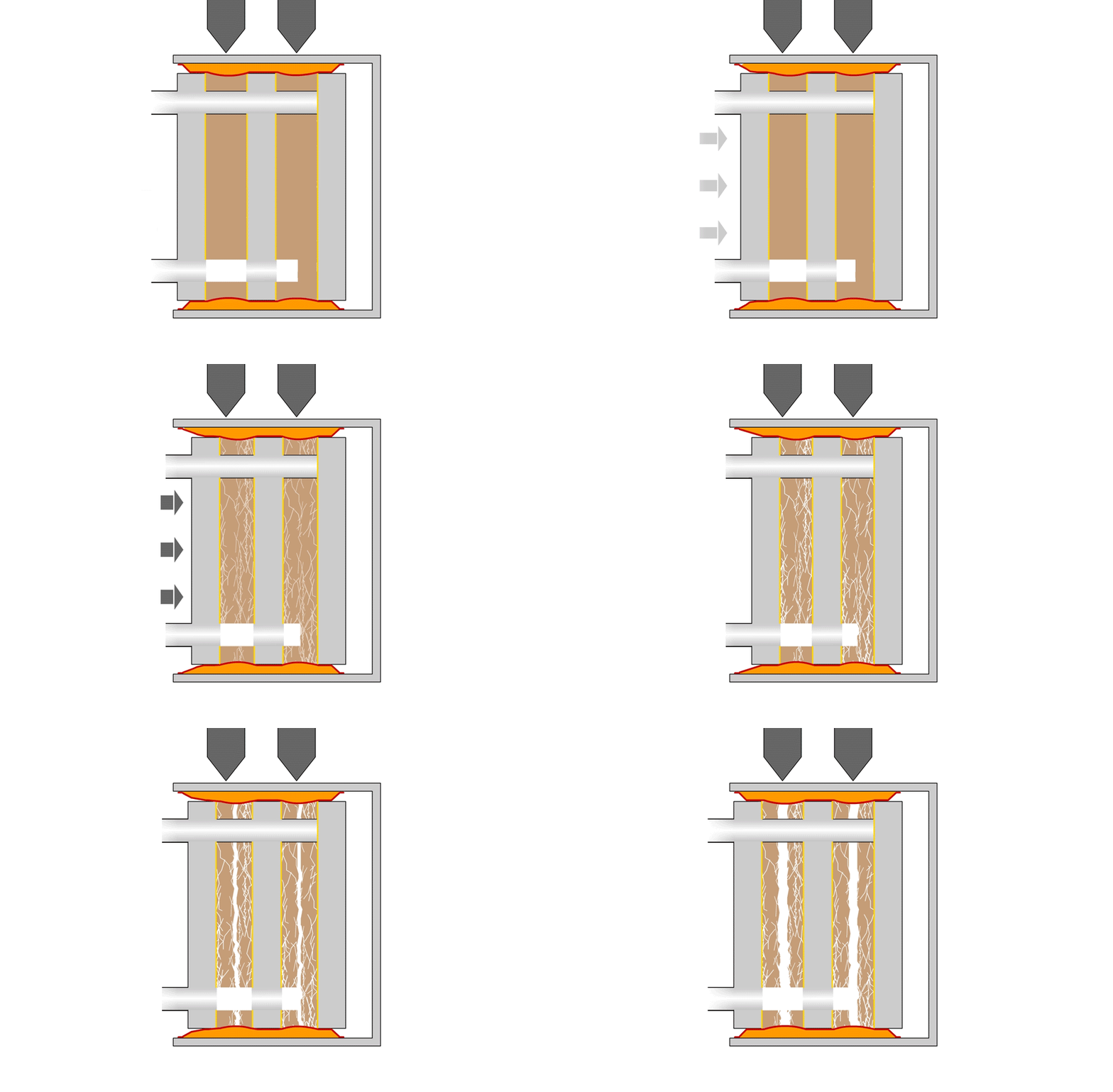
Once the cake has formed, it is washed; starting from one plate side through the entire cake to the opposing side. When the washing process has been completed, the cake can be blown out by compressed gas. Applying hydraulic pressure to the end plates will additionally squeeze the cake.
Filter cake drying
In a similar way to the cake washing process, the cake can also be blown dry from the filtrate and suspension side.

Filter cake discharge
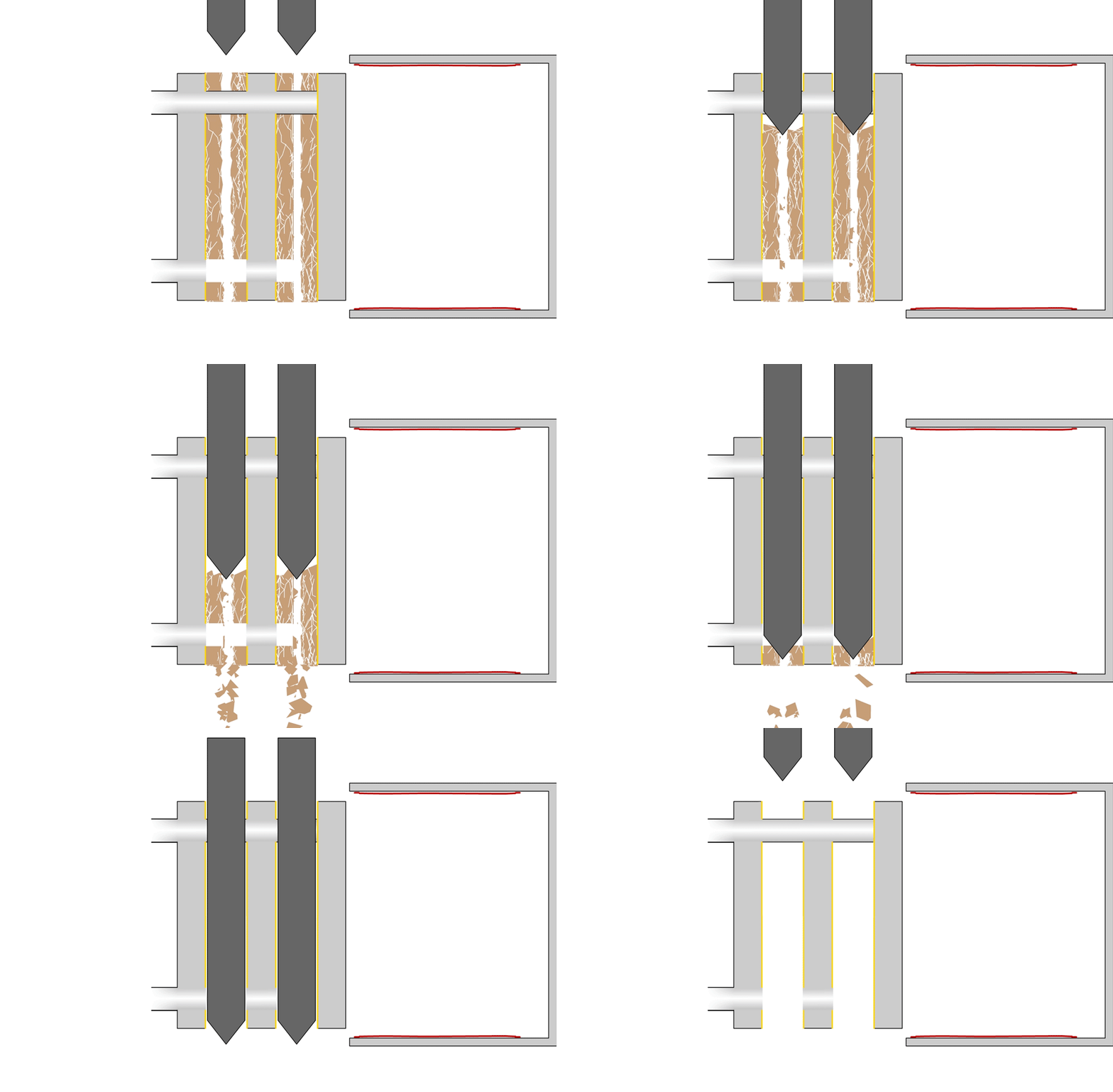
The plate stack, and with it the filter cake, is exposed by moving the housing. The cake is discharged by gravity (under its own weight) and/or mechanically by scraper knives.
Criteria:
The BHS-Autopress can be used to good effect where the following criteria need to be met on the process side:
- Batchproduktion
- Several consecutive process steps
- Closed gastight production
- Workplace hygiene and safety
- Fully automatic handling
Back to top
Applications
The main fields of applications are:
- Management of waste water and residual substances
- Chemical industry
- Dyestuffs
- Beverage industry
- Food industry
- Pharmaceutical industry
In general:
Thanks to its design, the Autopress is able to meet the following demands:
- Filtration suspensions containing solvents
- Filtration of poor to average filtering suspensions
- (Filter cake from 5-15 mm)
- Use of pressure filtration up to 10 bar
- Temperatures up to 200 °C
- Dewatering through mechanical expression up to 40 bar
- Filter cake drying
- Permanent cleaning (CIP, sterilisation)
- Toxic and highly flammable products
- Precoat filtration
Back to top
Technical Data
| type
| AP 300
| AP 500
| AP 700p
| AP 1000
|
|
| Filter aerea in m2 |
0,2 - 1,0 |
1,0 - 5,0 |
2,0 - 12,0 |
4,0 - 24,0 |
|
| number of intermediate plates |
1 - 9 |
2 - 14 |
2 - 17 |
2 - 17 |
|
| plate diameter in mm |
300 |
500 |
700 |
1000 |
|
| Dimensions: (LxWxH) |
2,3 x 0,9 x 2,6 |
3,0 x 1,2 x 2,6 |
3,2 x 1,5 x 2,6 |
3,6 x 1,8 x 2,9 |
|
| Weight in t |
1,65 |
2,50 |
3,50 |
5,50 |
Materials
- Filter plates in special steel, PP, PVDF, PFTE, etc.
- Filter media in special steel, textile fabrics, etc.
- Membrane and spacer in EPDMk PTFE, etc.
- Other components coming into contact with the product are in special steel, titanium, plastic
- Seals in all common sealing materials
Technical data may change due to technical progress. Subject to modification without notice.
Back to Top
Related Articles
Back to top